Rotting Teeth and Braces: Signs, Risks and Dental Care
Concerns about rotting teeth during braces often stem from plaque accumulating around brackets and wires. Understanding the biological process of decay helps you protect your enamel and maintain healthy oral hygiene throughout orthodontic treatment.
Short Answer
Short Answer
“Rotting teeth” is a common description of tooth decay, which develops when bacterial acids damage enamel. Braces can make plaque harder to remove, so daily cleaning and general dental checkups matter throughout treatment. White spots, sensitivity or discoloration need a dental assessment; appearance alone cannot show how deep decay extends.[1][3]
Understanding tooth decay in orthodontic treatment
Tooth decay is a progressive disease driven by bacterial plaque rather than orthodontic hardware. Braces do not intrinsically cause damage, but brackets and wires introduce irregular surfaces that catch debris, making thorough daily cleaning more demanding for patients of all ages.[1][3]
How brackets alter plaque accumulation
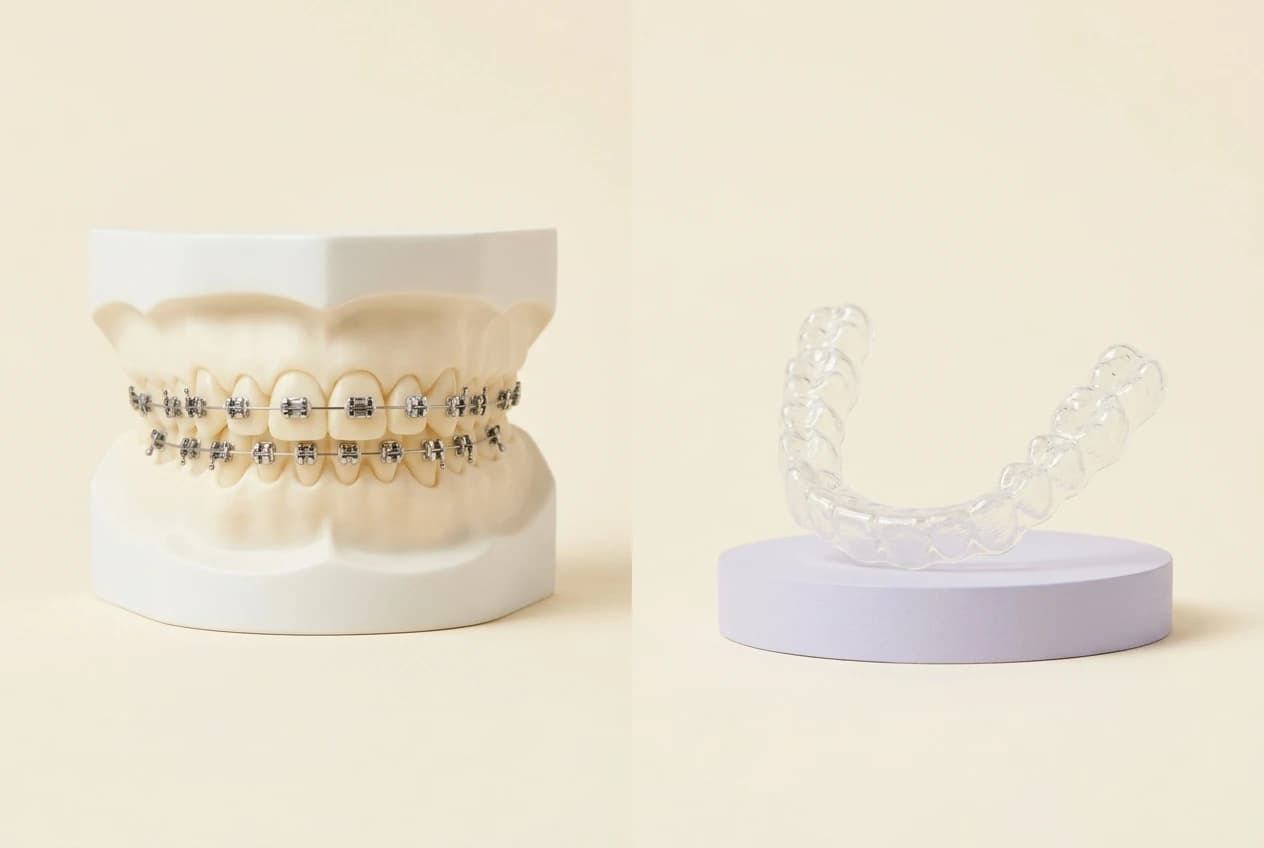
Orthodontic brackets, bands, and archwires provide physical ledges where dental plaque easily gathers. Plaque is a sticky biofilm containing oral bacteria that thrive on dietary starches and sugars. Without meticulous cleaning around every bracket margin, this accumulated biofilm remains against the tooth surface and initiates enamel breakdown.[1][3]
The transition from demineralization to cavities
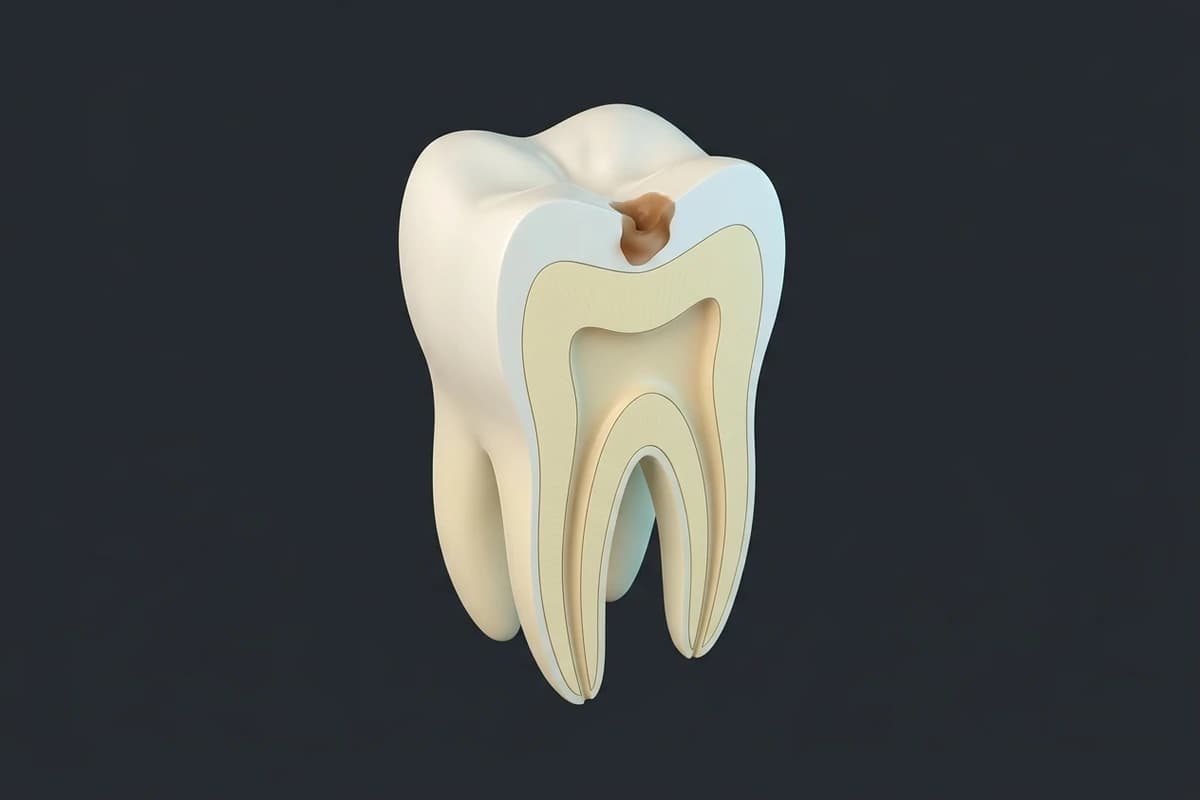
When plaque bacteria digest carbohydrates, they secrete acidic byproducts that leach essential minerals such as calcium and phosphate from enamel. This early phase forms subsurface demineralization, visible as white marks. If unchecked, the weakened enamel structure eventually collapses, forming a permanent hollow space known as a cavity.[1][3]
Contributing factors for enamel damage
Several biological and behavioral elements influence whether enamel demineralizes around orthodontic appliances. Dental decay develops through interactions among oral bacteria, fermentable carbohydrates, tooth vulnerability, and saliva characteristics, making balanced daily habits essential during orthodontic therapy.[2][3]
Dietary sugars and acidic drinks
Frequent sugary snacks and drinks give plaque bacteria repeated opportunities to produce acids. Acidic drinks can also damage enamel. Reduce frequent sipping and snacking, and choose water more often. Ask your dentist which changes would help address your own risk.[2][3]
Salivary defense and hygiene hurdles
Saliva helps neutralize acids and supplies minerals that support enamel. Dry mouth can reduce that protection. Brackets and wires may also make some areas harder to clean. Tell your dentist about persistent dryness and ask your orthodontic team to demonstrate ways to reach difficult spaces.[2][3]

Recognizing early and advanced signs of decay
Early decay may have no symptoms. New white marks, discoloration, sensitivity or pain warrant a dental assessment. Appearance alone cannot show the extent of a problem or whether a filling is needed.[1][3]
Visual changes and sensory discomfort
White marks may reflect mineral loss, while stains, pits, sensitivity or toothache can also accompany decay. These changes are not enough to diagnose its depth. Bleeding gums are a separate reason to tell your dental team; they do not indicate how deep a cavity extends.[1][3]
How dental professionals assess enamel health
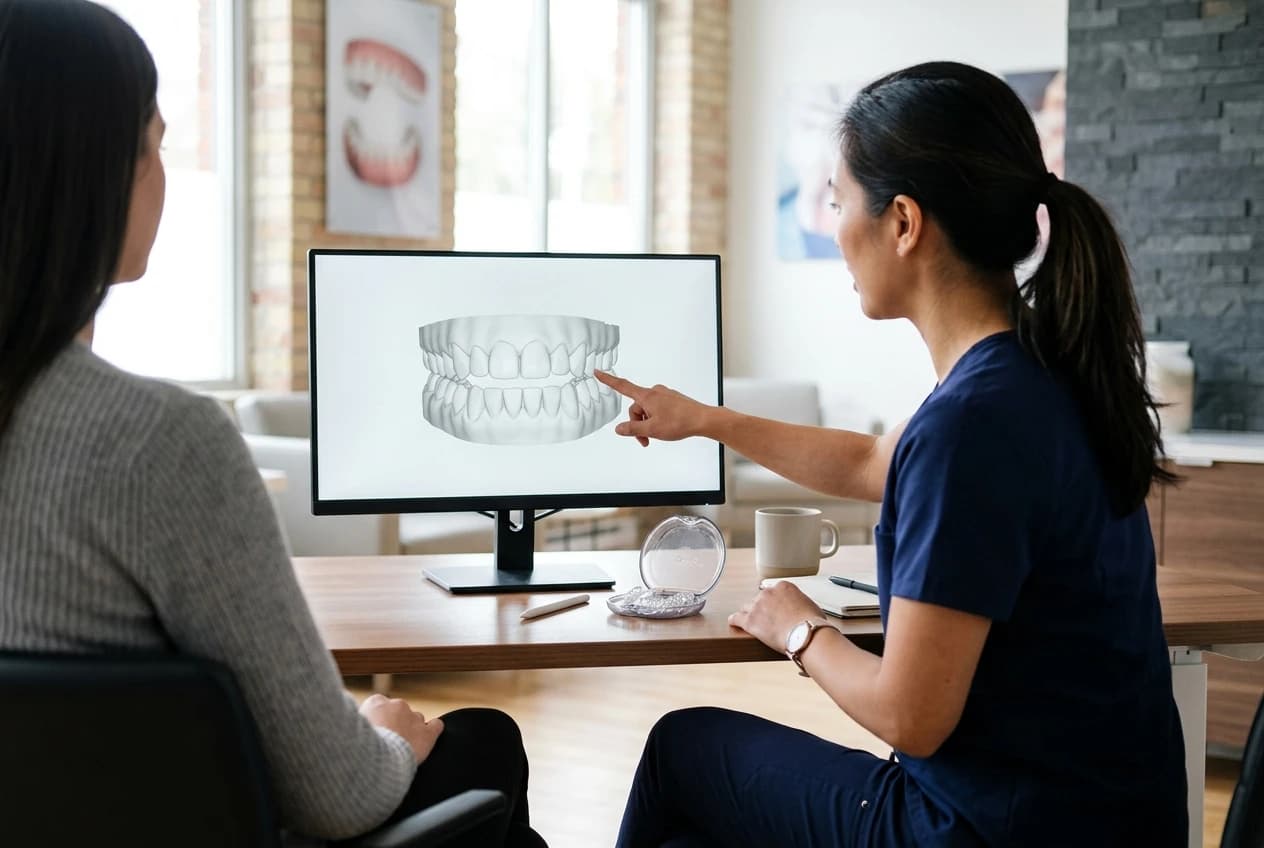
A general dental examination can identify signs of decay and help determine whether further assessment is needed. Tell your orthodontist about concerns raised at dental visits, and report new symptoms to your dentist between appointments.[2][3]
Approaches for managing early and structural decay
The dentist considers the lesion and the condition of the tooth when recommending treatment. Early mineral loss may respond to preventive care. A cavity often needs restoration, although selected cavitated lesions can be arrested with dentist-directed nonrestorative treatment.[3][4]
Remineralization for early surface marks
Early enamel changes may be managed before a physical cavity forms. A general dentist can assess whether fluoride and improved cleaning may help stop or reverse mineral loss. The treatment depends on the condition of the tooth; existing cavities cannot be repaired through brushing alone.[1][3]
Restorative treatments for cavitated teeth
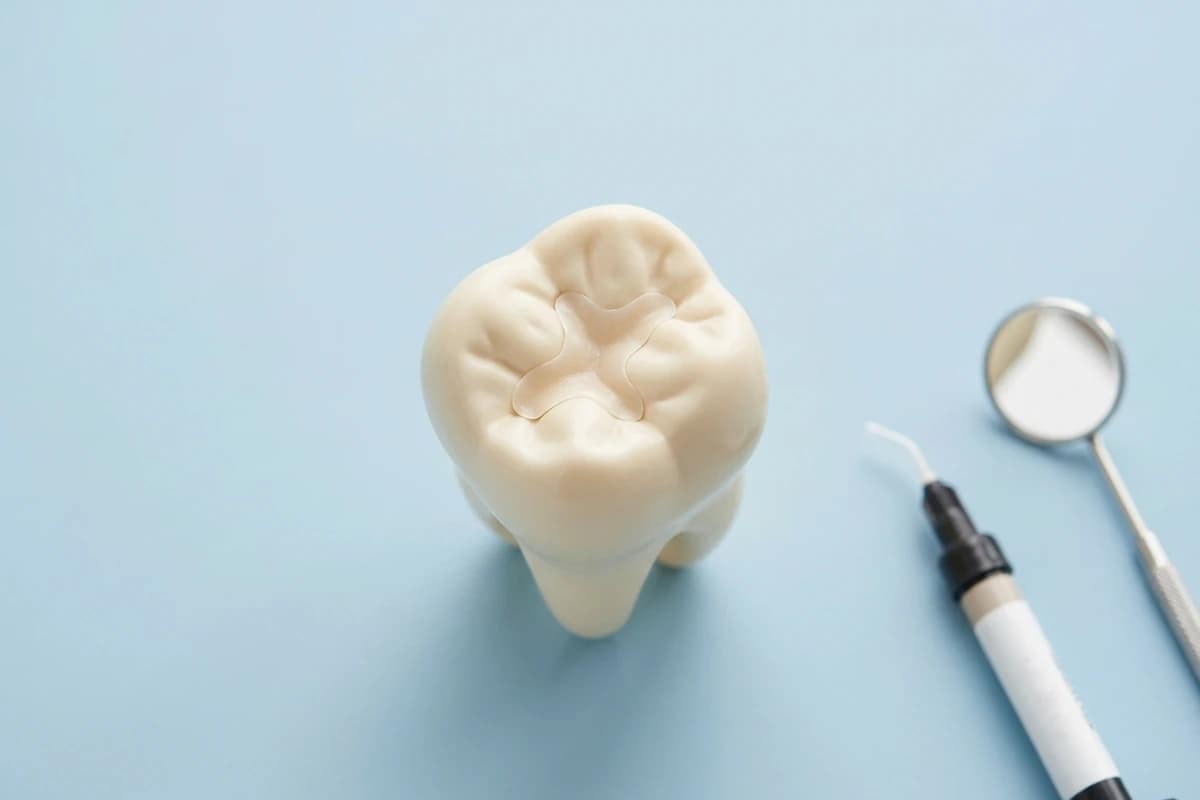
A filling can repair damage from a cavity. In selected cases, a dentist may recommend nonrestorative treatment to arrest decay instead. Arresting disease does not rebuild missing structure, so ask how the plan addresses the tooth’s condition and follow-up needs.[3][4]
Coordinating restorative care during braces
Keep both dental teams informed about treatment recommended for a cavity. Discuss appointment timing and whether the orthodontic plan needs adjustment or a pause. The sequence should be based on your care needs.[2][3]
Daily maintenance and long-term prevention
Daily cleaning and regular dental care help reduce decay risk while wearing braces. These habits support oral health, but do not eliminate every risk. Ask for a demonstration if particular areas are difficult to reach, and report new symptoms between scheduled appointments.[2][3]
Daily cleaning techniques around braces
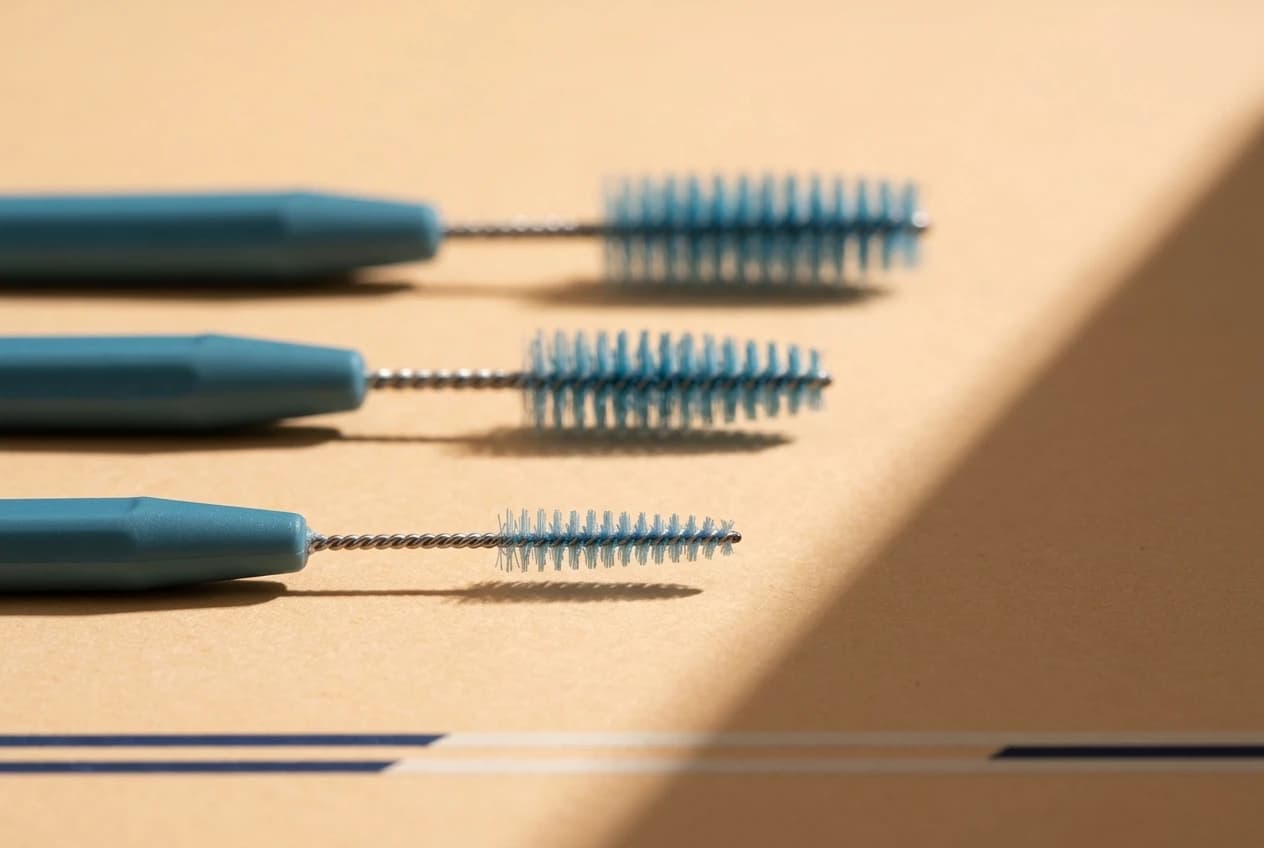
Effective plaque removal requires focused techniques adapted to orthodontic appliances. Brushing thoroughly with fluoride toothpaste after meals removes sticky debris from bracket margins. Adding targeted interdental tools cleans the tight spots between teeth and under archwires where standard brush heads cannot easily reach.[1][2]
- Brush for two minutes at least twice daily using soft bristles and fluoride toothpaste.
- Clean beneath archwires daily with floss threaders, specialized orthodontic floss, or interproximal brushes.
- Use fluoride mouthrinse only if your dentist recommends it, following the product’s age limits and instructions.
- Use a water flosser as a supportive tool to dislodge trapped food particles around brackets.
The role of regular general dental visits
Orthodontic adjustments do not replace general dental checkups and professional cleanings. Your general dentist should recommend a schedule based on your decay history, gum health and ability to clean around appliances. Some people need more frequent visits; ask what interval is appropriate for you.[2]
Complications of unmanaged decay and planning next steps
Untreated decay can damage deeper tooth layers and may interrupt orthodontic treatment. Arrange a general dental examination for concerns about cavities and let your orthodontist know about the findings. The two teams can discuss how dental treatment fits with your alignment plan.[1][3]
Protecting your teeth and continuing treatment
Untreated decay can lead to pain, infection or tooth loss. Contact your general dentist promptly for new pain, sensitivity or discoloration. Let your orthodontist know about any dental care recommended and ask how it affects your next appointment.[3]
Sources
- Do Braces Cause White Spots on Teeth? — American Association of Orthodontists
- Living With Braces: The Brace-Faced Adventure — American Association of Orthodontists
- Tooth Decay — National Institute of Dental and Craniofacial Research
- Nonrestorative Treatments for Carious Lesions Clinical Practice Guideline (2018) — American Dental Association
- What is an Orthodontic Emergency and How Do You Handle Them? — American Association of Orthodontists
Common questions
Frequently asked questions
Early white spot lesions represent subsurface demineralization where the enamel surface has not yet collapsed. With improved daily oral hygiene, reduced dietary sugars, and professional topical fluoride applications from a dentist, early enamel lesions can be remineralized and arrested before permanent cavities develop.[1][3]
Continue regular checkups and professional cleanings with your general dentist during braces treatment. The timing should reflect your decay risk and gum health. Your dentist may recommend shorter intervals if plaque is difficult to control or new enamel changes appear.[2]
Start your smile journey with PhD Orthodontics
If you have questions about caring for your teeth during orthodontic treatment, contact PhD Orthodontics in San Gabriel to schedule an appointment and discuss your personalized treatment plan.