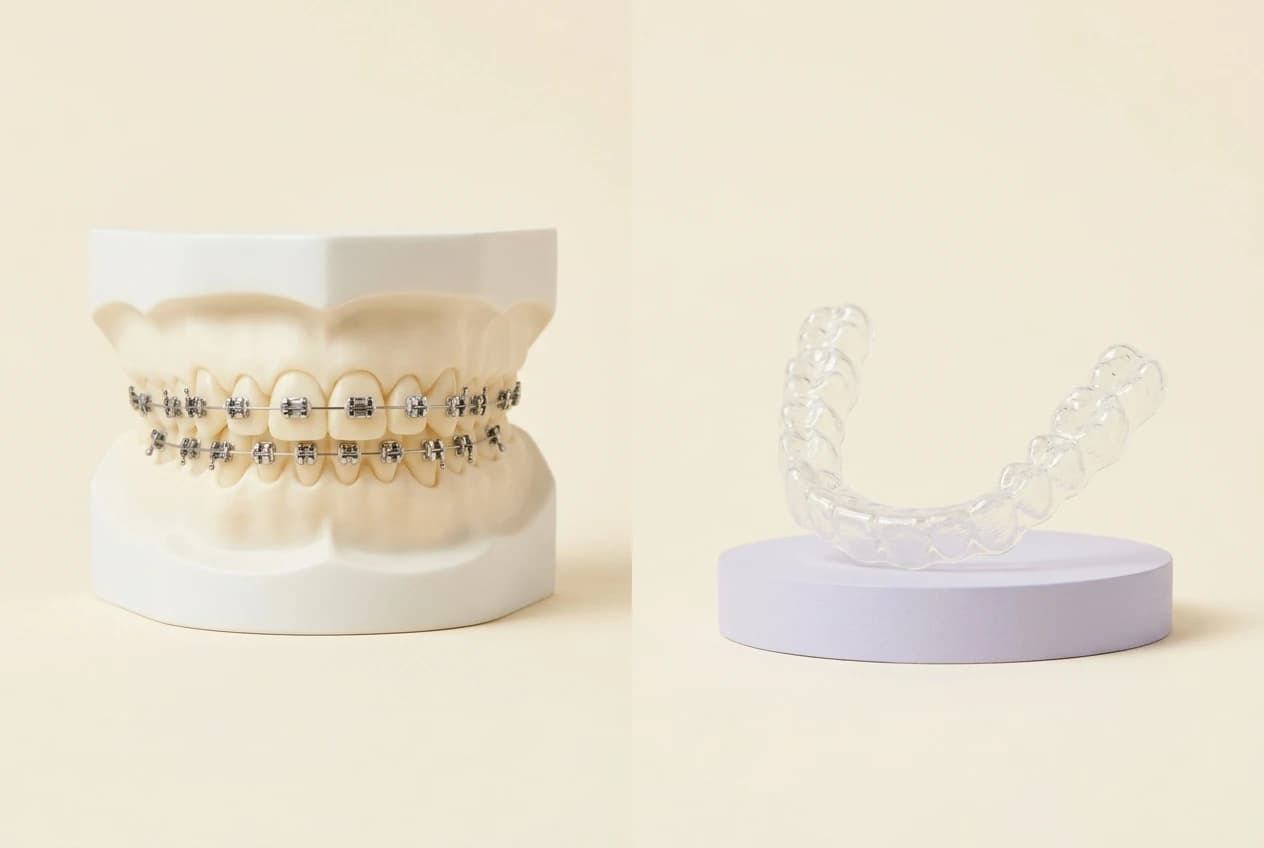
Dental Fillings and Braces: Planning Care Together
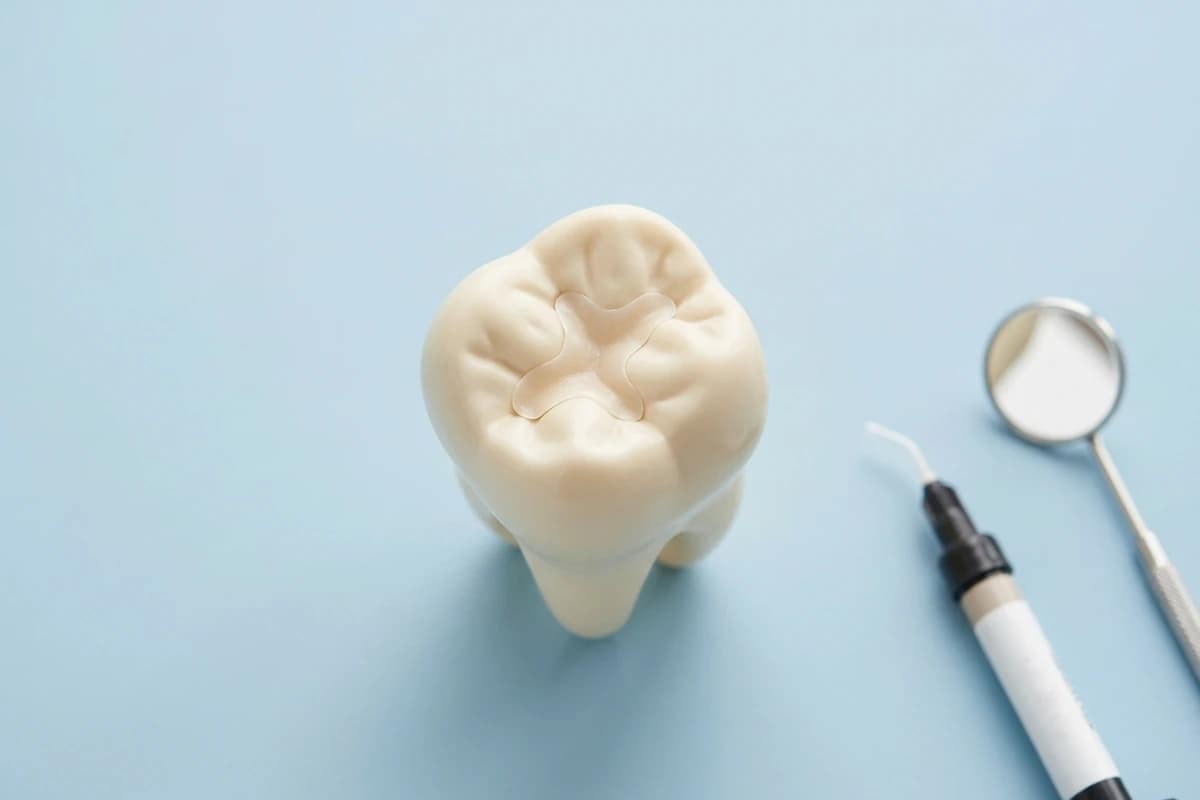
Wearing braces does not prevent you from receiving dental fillings. Discover how general dentists and orthodontists coordinate care to treat cavities, restore tooth structure, and protect your oral health throughout your alignment process.
Short Answer
Short Answer
Dental care for cavities remains important while you have braces. Your dentist assesses the tooth and recommends treatment, which may include a filling. Tell both dental teams about the plan and ask whether access, appointments or orthodontic movement need to change.[1][2]
Understanding Dental Fillings During Orthodontic Treatment
Fillings replace tooth structure damaged by decay. Braces do not remove the need for cavity assessment and treatment. Your dentist can explain the recommended care, and you should tell your orthodontist about planned dental work.[1][2]
The Distinct Roles of Dentists and Orthodontists
Your general dentist checks for decay and provides dental treatment and cleanings. Your orthodontist manages alignment and also monitors oral health during treatment. Keep both teams informed about new symptoms and the care recommended.[1][2]
Appliance Clearance and Tooth Accessibility
Before a dental procedure, ask whether your braces affect access to the tooth. Discuss any proposed appliance changes with the orthodontist. Do not assume a wire must be removed solely because a cavity is nearby.[2]
Risk Factors and Causes of Decay Around Braces
Orthodontic hardware creates small ledges and pockets that readily catch food debris and bacterial plaque biofilm. Without thorough daily removal, bacteria convert dietary carbohydrates into acids. These organic acids gradually strip minerals from your enamel, initiating tooth decay that may eventually demand a filling.[1][4]
Enamel Demineralization and White Spot Lesions
Plaque-related mineral loss can appear as a white mark near a bracket, but white marks have other causes too. A dentist needs to assess the surface and whether decay is active. If mineral loss progresses, a cavity can form; the treatment then depends on the individual lesion.[1][3][4]

Identifying Symptoms and Scheduling Prompt Care
Tooth decay may cause no symptoms at first, which is one reason routine dental checks remain important during braces. Tell your general dentist about new pain, sensitivity or changes in a tooth. An examination helps distinguish a cavity from other causes of discomfort.[1]
Common Indicators of Orthodontic Tooth Decay
Possible signs of decay include sensitivity to hot, cold or sweet foods, toothache, discoloration or a visible pit. These signs can have other causes, and their absence does not rule out a cavity. Arrange an assessment instead of deciding from appearance alone whether you need a filling.[1]
Clinical Evaluation of Cavities in Orthodontic Patients
Evaluating a tooth for a filling during orthodontic care requires a comprehensive clinical examination by your general dentist. The dentist inspects enamel surfaces, assesses high-risk plaque areas around brackets, and uses diagnostic tools to determine whether a lesion is superficial or has progressed to structural cavitation.[1]
Restorative Options and Treatment Alternatives
Fillings are a common cavity treatment, but selected lesions, including some cavities, can be managed with dentist-directed nonrestorative care. The choice depends on the tooth and lesion. Stopping decay does not regrow missing tooth structure.[1][3]
Discussing the Proposed Filling
If a filling is recommended, ask which material will be used, why it suits your tooth and what follow-up is needed. Ask about alternatives and the expected limitations. A restoration repairs damage; continued prevention remains important.[1]
Remineralization Therapy for Early Lesions
Early mineral loss without a hole may be managed with fluoride and improved cleaning instead of a filling. Your dentist checks the enamel surface and other risk factors before recommending care. The aim is to control the disease while preserving as much natural tooth structure as possible.[1][3]
The Coordinated Filling Procedure Workflow
Discuss the dental treatment plan with both offices before scheduling. Ask whether any appliance changes are needed and who will arrange them. Your teams should explain the sequence for your case rather than relying on a standard order of appointments.[1][2]

Post-Procedure Maintenance and Decay Prevention
Cleaning around a filling and orthodontic brackets helps protect the restored tooth and neighboring teeth. Continue professional dental visits and ask for advice if you cannot clean a particular area. A filling repairs lost tooth structure, but it does not remove the underlying risk of further decay.[1][2]
Routine Cleanings and Professional Examinations
Your general dentist recommends checkup and cleaning intervals based on your oral health and decay risk. Visits allow the team to inspect existing fillings, assess the gums and discuss preventive care. Ask whether your usual schedule needs to change while you are wearing braces.[1][2]
Daily Home Hygiene Habits with Braces
Brush with fluoride toothpaste and clean between teeth as your dental team recommends. A floss threader or another suitable tool can help reach around wires. Have the team demonstrate technique and sizing; cleaning should not require forcing an instrument against a filling, bracket or gum.[2][4]
- Brush thoroughly with fluoride toothpaste at least twice daily or after each meal.
- Clean interproximal areas daily using floss threaders, water flossers, or interdental brushes.
- Rinse with a dentist-recommended fluoride mouthwash to reinforce and remineralize enamel.
- Limit frequent sugary snacks and drinks, and cut back on acidic beverages.
Risks of Delayed Treatment and Next Steps
Untreated decay can lead to deeper damage, pain or infection and may affect the timing of orthodontic treatment. Keep both care teams informed about new symptoms and planned dental work. They can discuss the next steps after assessing the tooth.[1][2]
Sources
- Tooth Decay — National Institute of Dental and Craniofacial Research
- Living With Braces: The Brace-Faced Adventure — American Association of Orthodontists
- Nonrestorative Treatments for Carious Lesions Clinical Practice Guideline (2018) — American Dental Association
- Do Braces Cause White Spots on Teeth? — American Association of Orthodontists
- What is an Orthodontic Emergency and How Do You Handle Them? — American Association of Orthodontists
Common questions
Frequently asked questions
Keep regular visits with your general dentist throughout orthodontic treatment. Your dentist should set the interval according to your gum health, cavity history and cleaning needs. A shorter interval may be appropriate if plaque control is difficult or new decay develops.[2]
Start your smile journey with PhD Orthodontics
Request an appointment at PhD Orthodontics to discuss braces and your orthodontic goals. Our team is happy to coordinate with your general dentist to support your oral health throughout your smile journey.