How Often Should You Get a Dental Cleaning with Braces?
Professional cleanings remain important while you wear braces. Your general dentist can recommend the timing based on your oral health, while your orthodontic team helps you manage cleaning around brackets and wires.
Short Answer
Short Answer
How often should you get a dental cleaning with braces? There is no single schedule for everyone. Continue regular visits with your general dentist, who should set the interval based on your gum health, cavity risk and ability to clean around appliances. Braces adjustments serve a different purpose and do not replace professional cleanings.[1][2][4]
Professional Cleanings During Braces Treatment
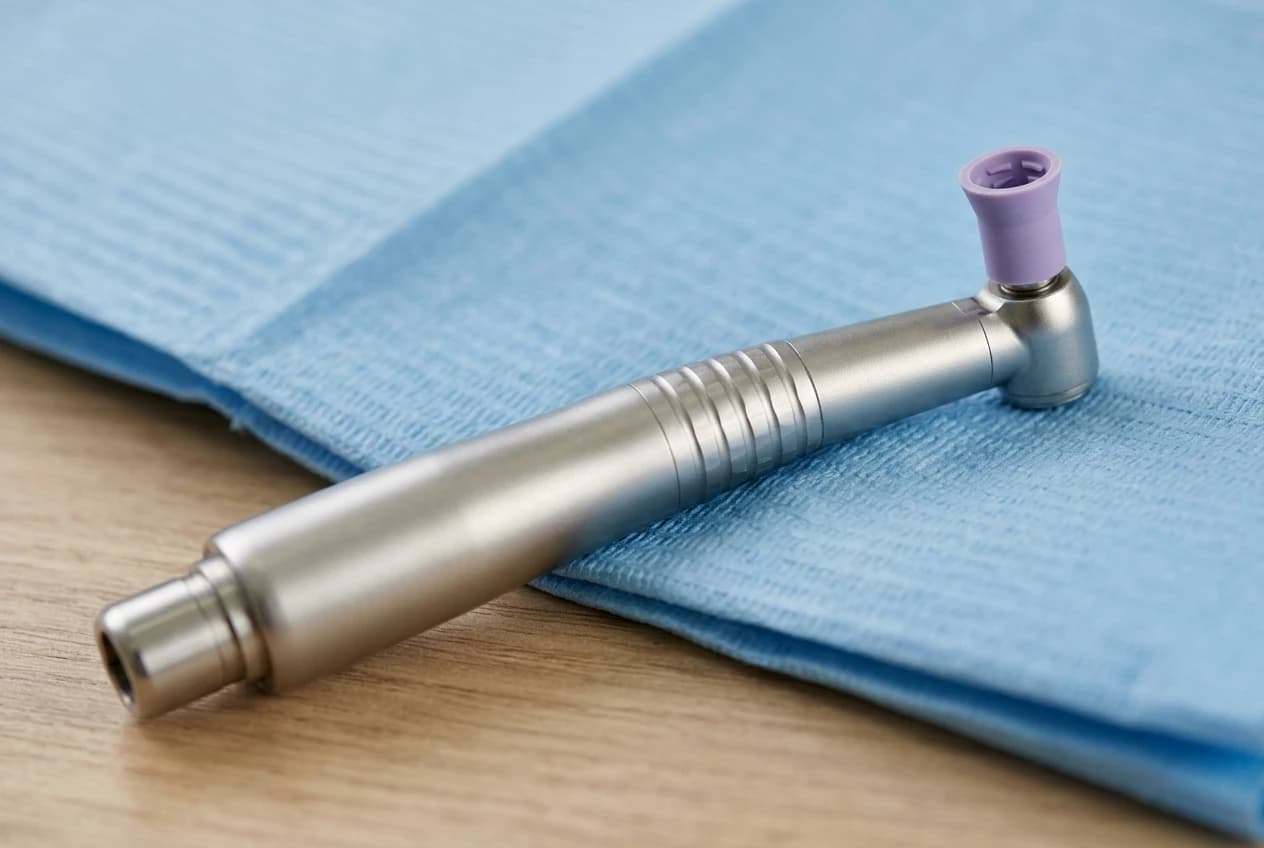
Professional cleaning removes deposits such as tartar that home brushing cannot remove. Braces create additional cleaning challenges. Keep dental visits during orthodontic treatment, with the frequency based on your dentist’s assessment.[1][3]
Orthodontic Visits and Dental Cleanings Have Different Roles
Orthodontic visits monitor treatment progress and oral health, but they do not replace dental checkups and professional cleanings. Continue seeing your general dentist while wearing braces. Ask which appointments you need and how the teams will share concerns about your teeth or gums.[1][2]
What Determines Your Cleaning Schedule
Determining how frequently you require professional prophylaxis depends on several biological and behavioral factors. The physical presence of orthodontic hardware increases vulnerability to enamel demineralization and soft-tissue inflammation, necessitating careful evaluation by your general dentist to establish an appropriate preventative recall timeline.[1][4]
Demineralization and White Spot Lesion Risks
Plaque bacteria use sugars and starches to produce acids that remove minerals from enamel. White spots can be a sign of early mineral loss. A dentist can assess these changes and discuss fluoride, cleaning and dietary habits. Professional cleaning supports prevention, but does not eliminate every risk.[1][4]
Gum Swelling and Bleeding
Plaque around the gumline can contribute to swelling, bleeding and tenderness. Persistent symptoms need a dental assessment because more than one condition can cause them. Your dentist considers the findings, cleaning habits and health history when recommending care and the timing of follow-up visits.[3]
Clinical Indicators Requiring Professional Dental Attention
Persistent bleeding, tenderness or deposits around the teeth deserve attention between appointments. Contact your dentist about changes rather than waiting for the next cleaning. An assessment can establish whether you need preventive care or treatment.[3][4]
Identifying Tartar Build-Up and Tissue Bleeding
Contact your general dentist if bleeding while brushing persists, bad breath keeps returning, or you notice deposits or new white marks around brackets. These signs warrant an assessment, not just a booking for cleaning. The dental team can identify the cause and recommend suitable care.[3][4]
Clinical Hygiene Assessment in Orthodontic Patients
Your dental team checks the teeth and gums and reviews your health history and cleaning routine. X-rays may be used when needed to investigate concerns. The findings help guide care and follow-up.[3]
Comprehensive Hygiene and Periodontal Examinations
A dental probe measures the spaces between teeth and gums. Pocket depths and signs such as bleeding are considered together with the examination and health history. These findings inform diagnosis; a single bleeding point does not establish the whole condition.[3]
Choosing an Individual Cleaning Schedule
Your general dentist can explain whether your usual cleaning interval remains appropriate during braces treatment. Ask how gum health, past cavities, plaque buildup and daily cleaning affect that recommendation. The interval can change if your needs change during treatment.[1][2]
Regular Visits and Shorter Recall Intervals
Some patients continue their usual dental schedule, while others need more frequent professional care. The decision should follow an individual assessment rather than a fixed rule for everyone wearing braces. Ask your dentist when to return and which changes should prompt an earlier appointment.[1][2][4]
Collaborative Care and Clinical Coordination
Tell your dentist about upcoming orthodontic visits and discuss any difficulty accessing areas around the appliances. Ask whether the teams need to coordinate before cleaning. Any proposed wire adjustment should be discussed with your orthodontist; removing a wire does not remove the brackets.[1]
What Happens During a Cleaning With Braces
A cleaning appointment should address your deposits and oral health needs while taking your braces into account. Ask the hygienist to explain the planned care and tell them about loose hardware, sensitive areas or discomfort.[1][3]
Removing Tartar Around Brackets
Tartar needs removal by a dentist or hygienist. The instruments and approach depend on the deposits and areas being treated. Ask about access around your braces; there is no single instrument sequence required for every patient.[3]
Wire Coordination and Protective Fluoride Applications
Ask your dental team whether anything needs to be coordinated with the orthodontist before cleaning. Fluoride recommendations also depend on your needs. Confirm the proposed steps instead of assuming that every appointment includes wire removal or a fluoride application.[1][4]

Home Care Practices to Complement Professional Cleanings
Professional cleaning works alongside daily home care. Brush with fluoride toothpaste, clean between teeth and follow the technique recommended for your appliances. Ask your dental team for help with difficult areas. Consistent care reduces risk, but new symptoms still need attention.[2][3]
Daily Brushing and Cleaning Between Teeth
Brush with fluoride toothpaste at least twice daily and clean between teeth each day. Follow additional instructions for your braces, including cleaning after meals when advised. This helps control plaque; professional care is still needed.[2][3]
- Ask your dental team to demonstrate cleaning above and below brackets.
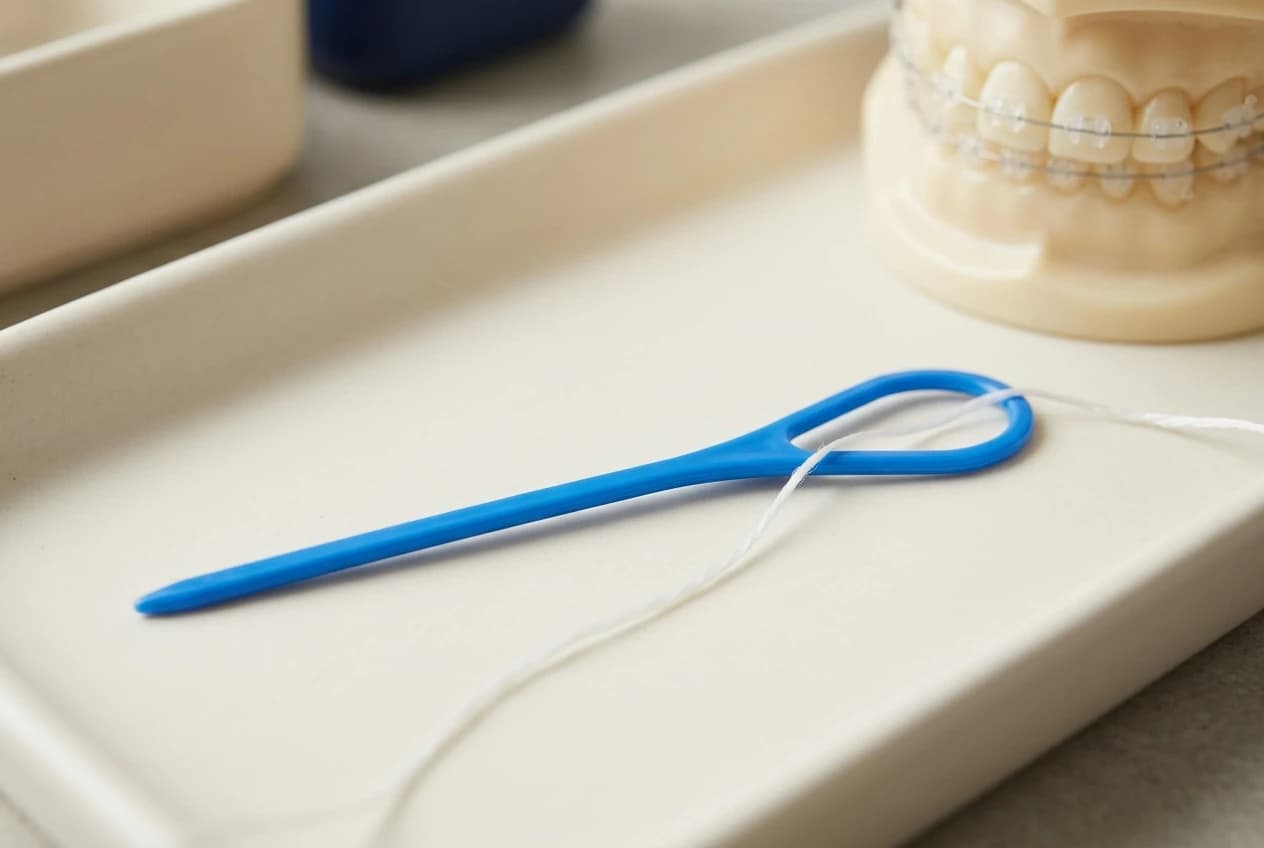
- Use an appropriately sized interdental brush or floss threader as advised.
- Ask whether a water flosser would help with difficult areas.
- Rinse with water after meals when you cannot brush, then resume your usual cleaning routine.
Mitigating Hygiene Complications and Coordinating Care
Plaque and gum problems can complicate orthodontic care, so regular dental visits remain important. A cleaning appointment also gives you a chance to discuss symptoms and review your home routine. Your general dentist and orthodontist can coordinate care if oral health concerns affect treatment.[1][2][4]
Mitigating Oral Health Risks Through Coordinated Care
Ask your general dentist for an individual recall interval and let the orthodontic team know about planned treatment. Report persistent bleeding, pain or new enamel changes between appointments. A shared plan helps both teams respond to concerns without relying only on the next scheduled adjustment.[1][2][4]
Sources
- Braces Have Changed: What to Know about Traditional Braces and Clear Aligner Options — U.S. Food and Drug Administration
- Living With Braces: The Brace-Faced Adventure — American Association of Orthodontists
- Periodontal (Gum) Disease — National Institute of Dental and Craniofacial Research
- Do Braces Cause White Spots on Teeth? — American Association of Orthodontists
- What is an Orthodontic Emergency and How Do You Handle Them? — American Association of Orthodontists
Common questions
Frequently asked questions
Once plaque has hardened into tartar, it needs professional removal. Daily brushing and cleaning between teeth help control new plaque, but they do not replace professional cleaning.[3]
Start your smile journey with PhD Orthodontics
Request an appointment with PhD Orthodontics in San Gabriel to discuss your orthodontic treatment options and learn how we coordinate care with your general dentist to support your oral health.